0086 574 87739122


 Oleh: Ethan
FOODSERVICE PACKAGING / APPLICATION NOTE
A two-bite appetizer looks effortless on a tray. Behind it sits a specification chain of cup volume, rim geometry, lid fit, material, condensation, pack-out time, and transport.
At 4:30 p.m., a caterer fills 300 small cups with shrimp, sauce, and lime. At 5:15, the trays go into a van. At 6:00, the first tray arrives with sauce on the outside of the cups. The recipe did not fail. The package did. This is why mini appetizers in plastic cups should be specified like a small production line, not like party supply.
The conclusion up front: choose the cup after you define the bite. Food weight, moisture, fat content, serving temperature, holding time, and delivery method should set the volume, material, and lid type. A beautiful cup that leaks, cracks, or traps condensation is not a good cup, no matter how well it photographs.
Capacity is the first hard number. A true mini appetizer usually lands between 1.5 and 2.5 ounces of food, but the cup itself may hold 2 to 4 ounces to leave headroom. If the cup is filled to the rim, sauce moves. If the cup is too large, the bite looks mean. A useful rule is to fill to about 60 to 75 percent of cup volume, then check the visual weight on a tray with the other items.
Portion cups are a practical reference point because they are designed around controlled serving sizes, not just liquid volume. They also make it easier to compare rim diameter, depth, and nesting before a custom print run or a large event order begins.
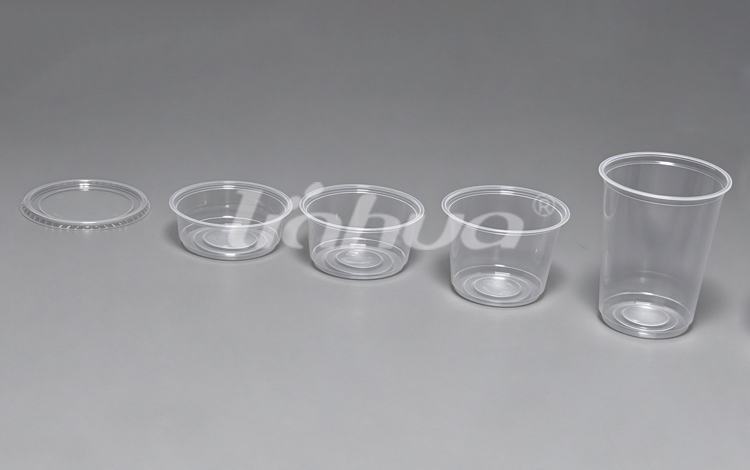
 PP Transparent Portion Cups with PET LidsMultiple 1–5.5 oz sizes support controlled sauce portions and separate packing, with matching PET lids for takeaway and catering.View Product →
The same logic applies across the plastic cup and lid range: a narrow cup suits a single skewer or a dense bite, while a wider bowl suits layered dips, salads, or garnished proteins. The cup should support the food's shape, not force the kitchen to cut the food down to fit.
| Format | Typical bite | Best for | Watch out |
|---|---|---|---|
| 2 oz portion cup | Single bite or dense dip | Hummus, tapenade, whipped feta, condiments | Little headroom; garnish can hit the lid |
| 3 oz cup | One to two bites | Shrimp, ceviche, fruit, small desserts | Sauce can pool if the fill line is too high |
| 5 oz bowl | Two to three bites | Layered dips, grain salads, charcuterie mixes | Can read as a side dish rather than an appetizer |
| 7 to 9 oz cup | Generous handheld portion | Fruit cups, dessert cups, walking food | Heavy for tray service; check lid hold |
Material names are not marketing labels. They set temperature range, clarity, stiffness, and compatibility with fats and sauces. In food-service packaging, PP, PET, PS, and PLA each have a place. PP is common for warm or ambient items and for snap-fit lids; PET gives high clarity for cold fruit, dessert, and chilled appetizers; PS is usually a cold-use material; PLA can work for cold applications but needs clear composting infrastructure and heat limits. Exact performance depends on the grade, wall thickness, and lid, not the resin name alone.
Success: Match the cup to the food's serving temperature and fat content, then confirm lid fit with the actual sauce or dressing. Clear cups are not automatically heat-safe.
For hot liquids or freezer storage, verify the supplier's stated temperature range instead of relying on a casual claim. The performance of portion cups under heat and freezing is a specification question, not a label word. Sauces with high fat content, acidic fruit, and creamy dairy can behave differently against the same cup surface.
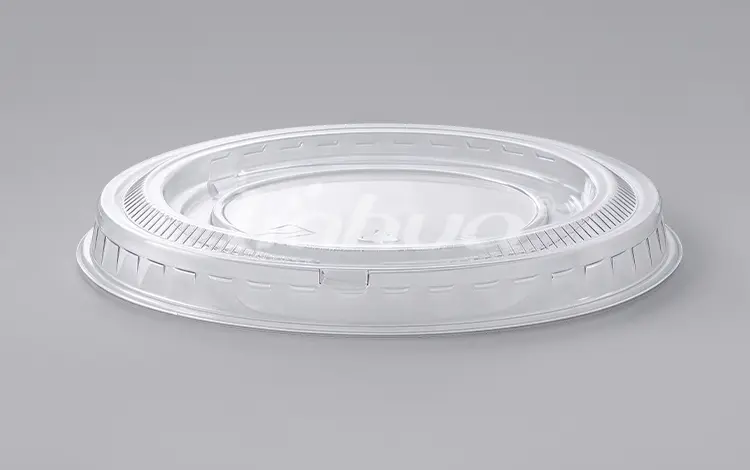
Cup and lid are one package. A snap lid that feels secure on the bench can lift in a cold chain or during a two-hour delivery. The risk rises when the rim is wet, the sauce is oily, or the cup is overfilled. For cold appetizers, condensation can also make the outside slick and weaken a paper label. Arch-form lids and flat lids solve different problems: one gives headroom for garnish or a domed top, the other stacks more efficiently and presents a lower profile.
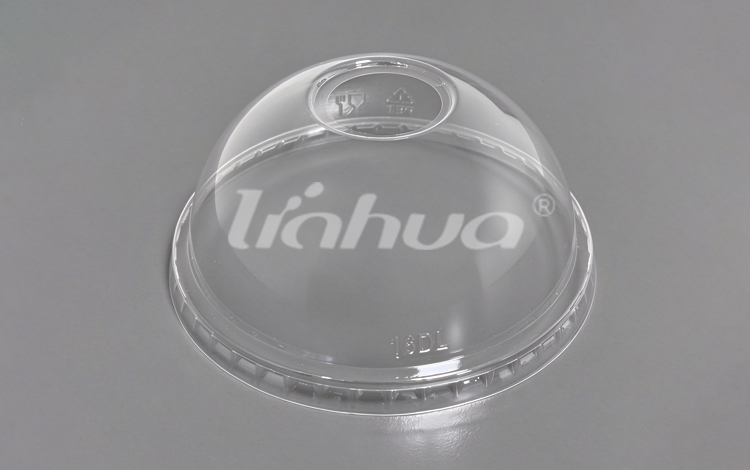 Clear PET Dome Lids for Beverage CupsAvailable in multiple cup-compatible sizes, the raised dome leaves room for toppings on smoothies, milkshakes, and iced drinks while keeping contents visible.View Product →
Warning: A lid that passes a dry bench test may fail when the rim carries oil or dressing. Wipe the rim, fill below the line, and test the delivery route.
A mini appetizer is a visual promise. A 5-ounce bowl can read as a generous two-bite item if it is filled to about 60 percent and garnished above the rim. A narrower 2-ounce cup feels more like a tasting portion. The package changes perceived value before the guest tastes anything, so the fill line, garnish height, and tray spacing deserve the same attention as the recipe.
Clear PET shows layers and color; black or colored cups hide sauce smears but can make fresh herbs look dull. If using a printed cup, keep the print below the fill line so the food remains the focus. For catered events, neutral cups with a clean rim usually photograph better than busy patterns, especially under warm banquet lighting.
The cup is not a background object. It is the frame around the first impression.
Portion control also affects cost. A 10 percent overfill across 500 cups can consume a meaningful amount of expensive protein or garnish. Weigh a sample of filled cups rather than trusting the ladle alone, and write the target fill weight into the event sheet.
When comparing quotes, ask for carton count, sleeve or bag pack, case cube, cup height, top and bottom diameter, rim thickness, lid fit target, food-contact documentation, and lead time. A lower unit price can disappear when cups nest too tightly, lids arrive in a separate carton, or the rim varies enough to slow a filling line. For caterers, storage space and pack-out speed matter as much as the price per thousand.
Info: The total cost of a mini appetizer cup includes fill time, lid rejection rate, storage cube, and transport losses, not just price per thousand.
Danger: Never assume a visually tight lid is leakproof for thin sauces. A cup that leaks in transit can damage packaging, labels, and the guest's first impression at the same time.
Before the first production run, run a pilot that mirrors service. Fill 30 cups with the actual food, sauce, and garnish. Hold them at the real service temperature for the real holding time. Stack, tray, and transport them the same way the event will. Then open and eat the product after the expected delay. This small trial exposes leaks, condensation, rim lift, garnish collapse, and portion drift before they reach a guest.
The useful supplier question is not "which cup is best?" It is "which cup, lid, and material system fits this bite, this service window, and this pack-out?" A catalogue can show dimensions; a pilot shows whether the package works. Mini appetizers in plastic cups succeed when the kitchen, packaging, and logistics teams specify the same small format with the same tolerance for mess, time, and temperature.
FOODSERVICE PACKAGING / APPLICATION NOTE Mini Appetizers in Plastic Cups: Small Format, Serious Sp...
Plastik Lembaran PET: Panduan Praktikal untuk Penyumberan, Tolok dan Dulang Selamat Makanan ...

0086 574 87739122
Copyright © Ningbo Linhua Plastic Co., Ltd. All Rights Reserved.


Hantar komen